Injection Molding Silicone: Meeting Industry Demands with Advanced Rubber Injection Molding Machines
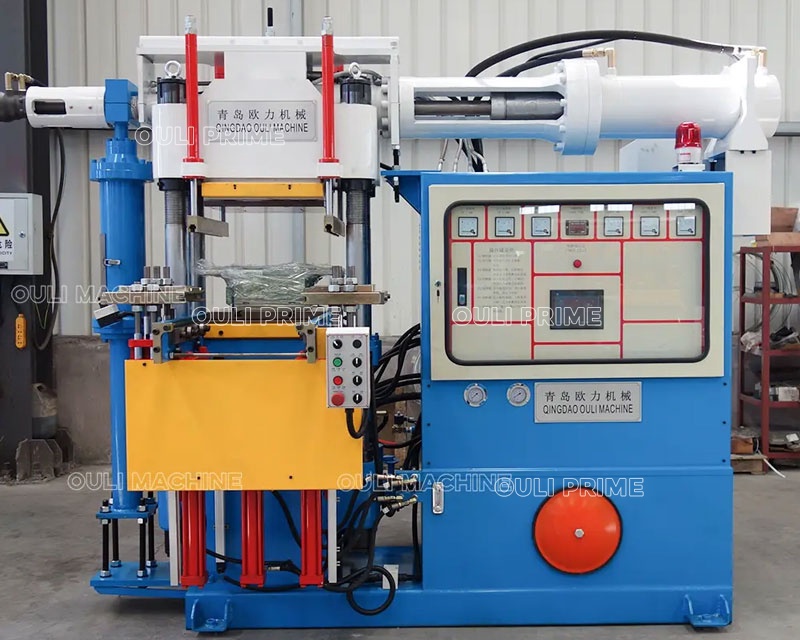
As the demand for high-precision silicone components grows across automotive, medical, and consumer goods sectors, manufacturers are re-evaluating their injection molding silicone processes. Silicone rubber, particularly liquid silicone rubber (LSR), requires specific machine capabilities to achieve consistent quality while minimizing waste and cycle time.
For producers looking to expand into silicone molding or optimize existing lines, understanding the interaction between material properties and equipment design is essential.
Why Silicone Injection Molding Requires Specialized Equipment
Unlike conventional thermoplastics or solid rubber, silicone materials exhibit low viscosity, fast cure rates, and high thermal sensitivity. Standard rubber injection molding machines may not provide the precise temperature control, shot volume accuracy, or clamping stability needed for defect-free silicone parts.
Key processing challenges include:
- Flash formation due to low viscosity
- Incomplete curing from uneven mold temperature
- Material backflow caused by insufficient nozzle shut-off mechanisms
Modern rubber injection molding machines tailored for silicone address these issues through servo-hydraulic or fully electric drives, closed-loop flow control, and water-cooled feed systems.
Machine Features That Enhance Silicone Molding Efficiency
When evaluating equipment for injection molding silicone, buyers should consider the following technical parameters:
1. Temperature Regulation System
Silicone compounds typically require mold temperatures between 150°C and 220°C, while the feeding zone should remain below 40°C to prevent premature crosslinking. Machines with independent barrel and mold temperature zones, plus optional chilled feed plates, offer process stability.
2. Injection Pressure and Speed Control
Low-viscosity silicone demands lower injection pressures (40–100 bar) but fast filling speeds. Machines equipped with proportional valves or servo-driven injection units allow operators to fine-tune the injection profile, reducing flash and improving dimensional accuracy.
3. Clamping Force Distribution
Even clamping force across the platen prevents silicone from leaking at parting lines. A well-constructed toggle or hydraulic clamp system with tie-bar deflection monitoring helps maintain uniform force.
4. Nozzle Shut-Off Mechanism
A reliable mechanical or pneumatic shut-off nozzle is necessary to avoid drooling and stringing when the injection unit retracts. This feature directly supports cleaner production and reduced material waste.
Emerging Applications Driving Silicone Molding Demand
Several industries are increasingly adopting injection molded silicone parts:
- Medical devices: Seals, gaskets, tube fittings, and respiratory masks requiring biocompatibility and sterilization resistance.
- Automotive electronics: Battery module seals, gasket connectors, and vibration-damping components that withstand temperature fluctuations.
- Consumer wearables: Watch bands, smart device cases, and fitness tracker enclosures – where soft-touch feel and durability are priorities.
Each application may require different durometers (20 to 80 Shore A), cure systems (platinum or peroxide), or additive packages (antimicrobial, conductive). A flexible injection molding machine that allows quick changeover between material grades can reduce downtime.
Process Optimization Tips for Consistent Silicone Parts
Even with capable machinery, operational practices influence final part quality. Consider the following:
- Pre-drying: Although many liquid silicones are not hygroscopic, moisture on mold surfaces or in colored masterbatches can cause surface defects. Use mold dew-point monitoring when necessary.
- Venting design: Silicone rubber releases gas during crosslinking. Proper venting channels—0.02–0.05 mm depth—help trapped air escape without causing flash.
- Injection sequencing: Multi-stage injection (slow-fast-hold) prevents turbulence and air entrapment. Start with low speed until material reaches the gate, then increase to fill cavity, then switch to holding pressure.
- Mold release strategy: Some silicone grades adhere to steel molds. Semi-permanent release coatings or periodic spray application reduces sticking without contaminating parts.
Selecting a Rubber Injection Molding Machine for Silicone Production
When planning to add injection molding silicone capabilities to your facility, evaluate suppliers based on:
- Proven track record with LSR processing – request case studies or test run data.
- After-sales support including screw/barrel wear resistance for abrasive silicone fillers (e.g., glass fiber or silica).
- Energy efficiency – servo-driven machines typically consume 40–60% less energy than standard fixed-pump systems during holding and cooling phases.
It is also advisable to request a process validation using your own material and mold design at the manufacturer’s facility or through a remote trial with data logging.
Conclusion
Silicone injection molding represents a growth opportunity for rubber part manufacturers, but success relies on equipment that addresses the material’s unique behavior. By selecting a rubber injection molding machine with precise temperature control, adjustable injection dynamics, and effective nozzle sealing, producers can achieve shorter cycles, lower scrap rates, and consistent part quality.
For tailored recommendations or to review technical specifications of our latest servo-driven models designed for LSR and HCR silicone, contact our engineering team or visit our machinery showcase page.
---
About the author: The technical team at OULI PRIME CO., LTD specializes in rubber injection molding solutions for thermoset materials, including natural rubber, nitrile, EPDM, and silicone. With over 15 years of machine building experience, we provide equipment and process support to customers in 30+ countries.

leave your message