What Is a 2 Roll Mill Machine and Why Does It Matter?
What Is a 2 Roll Mill Machine and Why Does It Matter?
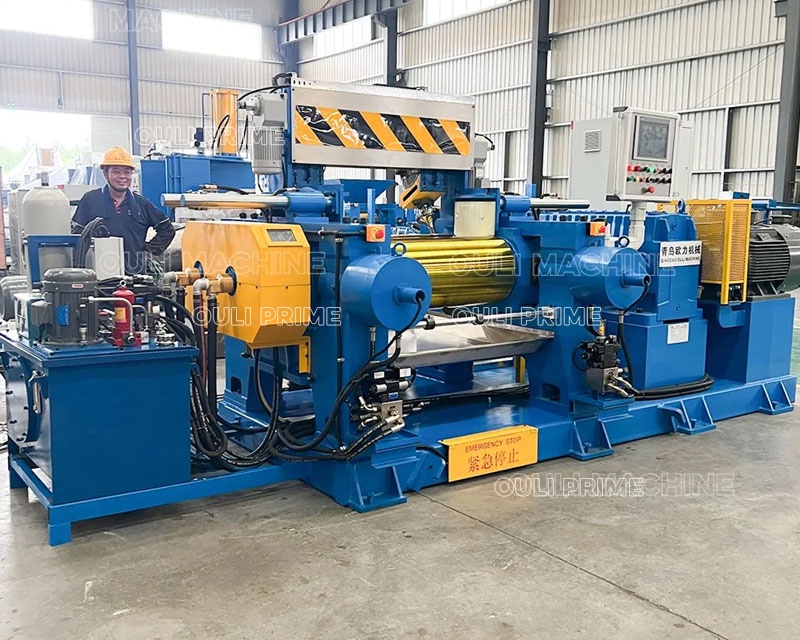
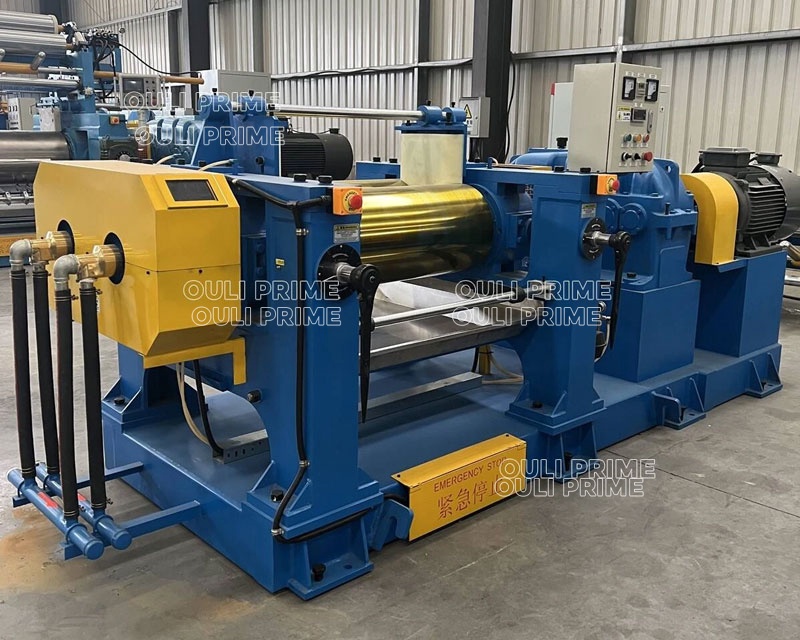
If you have spent any time on a rubber processing floor, you already know the two roll mill machine. It is one of those pieces of equipment that shows up in almost every compounder's workshop, from small batch labs to full-scale production lines. The machine looks straightforward — two horizontal rollers rotating at different speeds with a gap between them — but getting the most out of it takes real know-how.
A 2 roll mill machine, also called a rubber open mixing mill, is primarily used for mixing and kneading raw rubber, synthetic rubber, thermoplastics, or EVA together with various chemicals to produce a homogeneous compound. The final sheet or rope of material can then be fed directly into calendering machines, hot presses, extruders, or other downstream processing equipment.
In this article, I will walk you through the key design features, technical parameters, and practical considerations that matter when selecting and operating a two roll rubber mixing mill. No marketing fluff — just the engineering details that help you make an informed decision.
Core Working Principle
The basic principle behind a two roll mill is simple shear. You have two rollers mounted parallel to each other, rotating toward each other at the nip point. The front (slow) roller and the back (fast) roller create a velocity differential that generates shear forces on the rubber compound as it passes through the gap. This shear action is what breaks down agglomerates, distributes fillers and additives, and ultimately produces a uniform mix.
The roll speed ratio — typically ranging from 1:1.09 to 1:1.35 depending on the model — is one of the most important parameters. A higher ratio increases shear but also generates more heat. A lower ratio is gentler on the compound but may require more passes to achieve dispersion. Finding the right balance depends on your specific material and process requirements.
Key Design Features That Impact Performance
Roller Construction
The roller is the heart of the machine. In quality-built mills, the roller is made from LTG-H chromium-molybdenum alloy chilled cast iron, produced by centrifugal casting. The centrifugal process ensures a dense, uniform microstructure with a chilled (hard) layer on the surface that can reach 72–75 HSD hardness, with a chilling depth of 15–20 mm. This hard layer resists wear and maintains surface finish over extended service life.
Optional roller configurations include chrome-coated rollers for improved release properties, mirror-finished rollers for specific surface quality requirements, and drilled (hollow) rollers that allow internal heating or cooling media to circulate for precise temperature control.
Bearing Selection
Proper bearing choice directly affects energy consumption and maintenance intervals. Modern two roll mills use automatic aligning roller bearings, which offer higher load capacity and can reduce energy consumption by approximately 5% compared to traditional nylon bushings. Bearing brands such as ZWZ are standard, with FAG and SKF available as options depending on your preference and budget.
Lubrication is handled through an automatic dry oil (lithium grease) system where you can set both the lubrication interval and the amount dispensed. This eliminates the guesswork and ensures consistent bearing life.
Gearbox and Transmission
The gearbox is a critical component that determines torque delivery and operational smoothness. Quality mills use hard-tooth-surface reducers from established manufacturers. These are typically four-axis, three-stage transmission units with a safety factor above 2.0, providing reliable power transmission even under heavy load conditions.
Frame and Base Construction
The structural frame and base are welded and then annealed to relieve internal stresses, followed by precision machining of critical mounting surfaces. Steel plate thickness typically reaches 240 mm, providing the rigidity needed to maintain roller alignment under load. This is not something to compromise on — a flexible frame leads to inconsistent nip gaps and poor mix quality.
Nip Adjustment System
The gap between the rollers (the nip) must be adjustable with precision. Standard configurations use manual adjustment, but automatic motor-driven or hydraulic adjustment systems are available. These allow single-side or dual-side adjustment, which is particularly useful when switching between different compound formulations or when you need to make quick gap changes during production.
Safety Features
Safety on a two roll mill is non-negotiable. Standard equipment includes emergency stop buttons positioned on both sides of the machine, plus one on the electrical control panel. Additional safety options include kick-stop devices, chest-bump emergency stops, pull-rod emergency stops, and safety light curtains. The braking system typically uses electric-hydraulic brakes with a brake time of approximately one-quarter circle rotation.
Technical Parameters at a Glance
Different production needs call for different machine sizes. Below is a summary of the available model range, covering roll dimensions, speeds, capacities, and power requirements.
As you can see, the range covers everything from small laboratory-scale units to large production machines. The selection depends on your batch size, material type, and throughput requirements.
Practical Considerations When Selecting a 2 Roll Mill Machine
Matching Machine Size to Your Process
One of the most common mistakes I see is ordering a machine that is too large or too small for the actual application. A φ160×320 mill handling 4 kg per batch is ideal for R&D or small-batch specialty compounds. A φ660×2130 unit handling 250–300 kg per batch makes sense for high-volume commodity rubber products. Be honest about your actual throughput needs rather than planning for hypothetical future growth.
Temperature Management
Rubber compounding generates significant heat due to shear friction. If your compound is temperature-sensitive — think certain elastomers or formulations with volatile additives — you should consider drilled rollers with a cooling medium circulation system. This gives you active temperature control rather than relying solely on ambient cooling or intermittent cooling cycles.
Automation Level
How often do you change formulations? If you run the same compound 24/7 with occasional color changes, manual nip adjustment may be sufficient. If you are doing frequent formulation changes or running multiple products on the same line, investing in hydraulic or motorized nip adjustment will save you considerable downtime and improve consistency.
Compatibility with Downstream Equipment
The two roll mill does not operate in isolation. Make sure the discharge configuration — whether you are producing sheets, ropes, or preforms — matches the feed requirements of your calender, press, or extruder. Some mills are configured with stock blenders that pre-mix and feed material automatically, which can streamline the entire workflow.
Common Questions About 2 Roll Mill Machines
Q1: What materials can a two roll mill machine process?
A two roll mill can handle natural rubber, synthetic rubbers (SBR, BR, NR blends, EPDM, NBR, and others), thermoplastics, EVA, and various polymer blends. The key is that the material must be capable of being kneaded and sheared between the rollers at operating temperature. Some highly viscous or thermally sensitive materials may require specific roller configurations or temperature control.
Q2: How do I choose the right roll speed ratio for my application?
The roll speed ratio determines the shear intensity. Higher ratios (like 1:1.35) produce more shear and are useful for breaking down agglomerates and dispersing fillers like carbon black or silica. Lower ratios (like 1:1.09) are gentler and better suited for materials that generate excessive heat or when you want to preserve polymer chain structure. Start with a lower ratio and increase gradually while monitoring compound temperature and dispersion quality.
Q3: What maintenance does a two roll mill require?
Regular maintenance includes checking bearing lubrication systems, inspecting roller surface condition, verifying nip gap accuracy, checking gearbox oil levels, and testing emergency stop functions. The automatic lubrication system reduces manual effort significantly. Most manufacturers recommend a preventive maintenance schedule based on operating hours rather than calendar time.
Q4: Can a two roll mill be used for laboratory-scale testing?
Yes. Smaller models like the X(S)K-160 with a φ160×320 roll size and 4 kg/batch capacity are commonly used in laboratory settings for compound development, formulation optimization, and quality control testing. They provide the same shear principles as full-size production mills, making lab results more representative of production outcomes.
Q5: How is the quality of a two roll mill evaluated?
Key evaluation criteria include roller material and hardness consistency, bearing quality and alignment, gearbox construction and safety factor, frame rigidity, precision of nip adjustment mechanism, and the reliability of safety systems. Requesting mill test reports, hardness mapping of rollers, and witnessing a running trial are all practical ways to assess machine quality before purchase.
Q6: What is the typical delivery time for a two roll mill machine?
Delivery time depends on the model and any custom options selected. Standard configurations are typically delivered within 10–30 days. Custom-built machines with specialized roller configurations, automation packages, or specific electrical requirements may take longer. It is advisable to discuss your timeline with the manufacturer early in the selection process.
Q7: Is after-sales support and installation assistance available?
Reputable manufacturers provide after-sales support including installation guidance, commissioning assistance, operator training, and spare parts supply. Many companies with international presence can dispatch technical engineers to your site for installation and training. Confirm the scope of after-sales support before making your purchase decision.
Final Thoughts
The two roll mill machine remains a cornerstone of rubber processing technology despite the advent of more modern mixing equipment like internal mixers. Its simplicity, versatility, and the level of process control it offers keep it relevant in both small workshops and large manufacturing facilities.
When evaluating a 2 roll mill machine, focus on the fundamentals: roller construction quality, bearing selection, gearbox robustness, frame rigidity, and safety features. These factors determine long-term performance and mix consistency more than any single “special feature.” Take the time to understand your specific process requirements, match them to the right machine size and configuration, and you will have a reliable workhorse that serves your production needs well.
If you have specific questions about model selection or need guidance on configuring a two roll mill for your application, reaching out to a manufacturer with engineering support can save you time and help you avoid costly mistakes down the road.

leave your message