Engineering Reliability: A Field Guide to the Rubber Vulcanizing Machine
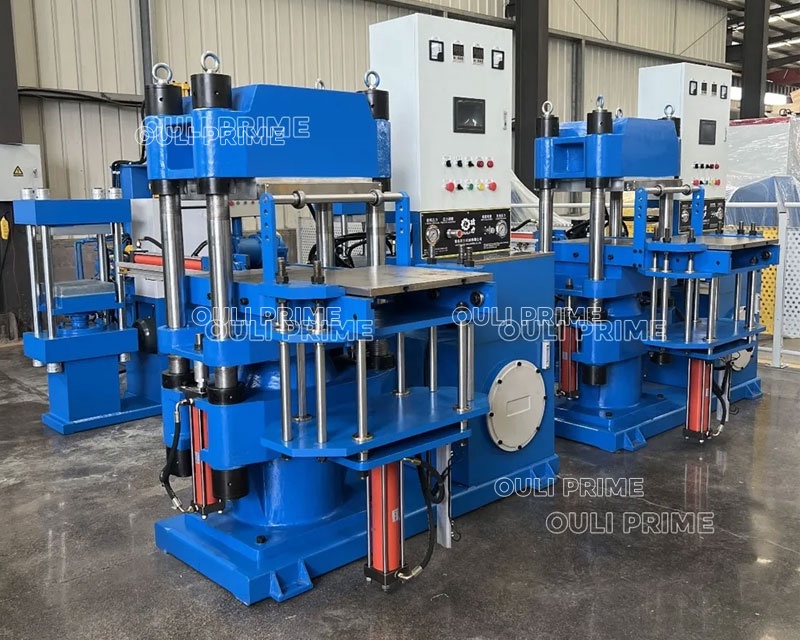
I've spent over a decade walking factory floors, troubleshooting hydraulic leaks at 2 AM, and watching operators struggle with machines that just didn't fit their production needs. If there's one thing I've learned in this industry, it's that a rubber vulcanizing machine is only as good as its structural integrity and control logic. You can have the most expensive mold in the world, but if your curing press lacks parallelism or bleeds pressure during the cycle, your parts will flash, cure unevenly, or fail entirely.
When I consult with manufacturers looking to upgrade their rubber press lines, they often get lost in the marketing jargon. They want to know if the machine will actually survive a 24/7 production schedule. In my experience, the difference between a machine that lasts fifteen years and one that becomes a paperweight in three usually comes down to material selection and engineering tolerances. I've seen factories where the hydraulic press units were running perfectly fine, but the platens warped after a year because the steel wasn't properly treated. That's why, when we look at a column-type rubber vulcanizing machine, we have to look past the paint job and get into the metallurgy.
Here's the thing about manufacturing: consistency is everything. A rubber vulcanizing machine needs to apply exact pressure and temperature, repeatedly, thousands of times a day. At Qingdao OULI Machine, we've built our column-type presses around this reality. We aren't just welding steel together; we're using SOLIDWORKS 3D simulation to ensure the frame has a safety factor exceeding 2.5. I've seen too many vulcanizing press frames crack because they were cut and welded without stress-relieving annealing. We use Q235A high-quality carbon steel, cut as a single piece, to prevent those stress fractures. It costs a bit more in processing, but I'd rather pay for that now than replace a frame later.
Let's talk about the heart of the rubber vulcanizing machine: the plunger and the cylinder. I've had to tear down curing press units where the plunger was scored so badly it looked like a cheese grater. That's usually because the surface hardness wasn't sufficient. We use LG-P cold hard alloy for our plungers, with a surface hardness of HRC60-70 and a cold hard layer depth of 15-20mm. Tell you what, that makes a massive difference when you're pressing abrasive compounds daily. The upper, mid, and bottom seats are cast from QT-500 ductile iron with aging passivation treatment. This gives us a tensile strength of 50kgf/mm, which is critical when you're running a 500T rubber vulcanizing machine under high pressure.
Control logic is where the rubber processing industry has changed the most in the last ten years. Old relay controls are fine for simple gaskets, but if you're molding complex thermosetting plastics or foams, you need a rubber vulcanizing machine that thinks. We use Mitsubishi PLCs because they handle the automatic exhausting, pre-heating, and constant temperature control without hiccups. I remember a job where a customer was getting air pockets in their silicone seals. We switched them to a vulcanizing press with automatic deflation cycles, and the scrap rate dropped to near zero. It wasn't magic; it was just proper programming.
The heating method also dictates your product quality. While we offer steam and oil heating, electric heating is often the most practical for precise temperature control in a rubber vulcanizing machine. We use a height combination pump oil way to reduce power loss, which keeps your operating costs down. I've walked into plants where the electricity bill for the hydraulic press line was astronomical because of inefficient pump designs. Small engineering tweaks like this add up over a year of continuous operation.
Sealing is another area where I've seen too many failures. A leaking rubber vulcanizing machine is a safety hazard and a maintenance nightmare. We use a four-stage sealing structure that is oil-resistant, aging-resistant, and wear-resistant. It's a newer design, but in the field, it holds up to the heat and pressure cycles that destroy standard O-rings. Combined with JAPAN YUKEN brand main hydraulic parts, the system stays tight. I've seen curing press units with generic valves chattering and vibrating; the YUKEN components just run smoother and quieter.
Precision matters. When we assemble a rubber vulcanizing machine, we hold parallelism tolerance between 0.05mm and 0.08mm. Why does this matter? If your platens aren't parallel, you get uneven density in your rubber parts. One side cures faster than the other. The columns are made from 40Cr alloy steel to maintain that alignment under load. I've measured vulcanizing press units with double that tolerance, and the operators were constantly adjusting molds to compensate. That's wasted time.
Here is the technical breakdown for our standard column-type models. These numbers aren't just catalog specs; they represent real production capabilities I've verified on the floor:
Look at the weight column. A 500T rubber vulcanizing machine weighs over 21,000 kg. That mass isn't accidental; it's necessary to absorb the shock and maintain stability during the molding cycle. Lighter machines vibrate, and vibration kills seals and ruins surface finishes.
We also offer customization because not every rubber vulcanizing machine application is the same. Some folks need work table migration types for faster mold changes. Others need specific T-slots on the heating plates. We can do rail, 2RT, 3RT, or 4RT mould opening configurations across all models. I've worked with automotive suppliers who needed a curing press with a specific daylight height for their tall molds, and we adjusted the stroke and gap to make it happen. That flexibility is what separates a machine shop from a true engineering partner.
Safety is non-negotiable. I've seen too many injuries in this industry from old hydraulic press units without proper guarding. Our rubber vulcanizing machine comes with light curtains and dual-hand operation options. The PLC also includes safety interlocks that prevent the platen from moving if the guard is breached. It's not just about compliance; it's about making sure your operators go home in the same condition they arrived.
Maintenance on a rubber vulcanizing machine shouldn't be a full-time job. With the four-stage sealing and high-quality hydraulic components, the service intervals are reasonable. I always tell customers: check your oil levels, monitor your temperature sensors, and keep the platens clean. If you do that, a well-built vulcanizing press will run for decades. I've seen machines from the 90s still pressing O-rings today because the original engineering was sound.
Frequently Asked Questions About Rubber Vulcanizing Machines
What is a rubber vulcanizing machine used for? A rubber vulcanizing machine is primarily used to cure rubber compounds under heat and pressure. This process cross-links the polymer chains, giving the rubber its elasticity, strength, and durability. Beyond rubber, these machines handle thermosetting plastics, foams, resins, Bakelite, and even metal sheet forming. I've used them for everything from silicone kitchenware to industrial conveyor belt splicing.
How does a rubber vulcanizing machine work? The rubber vulcanizing machine uses a hydraulic system to drive a piston, which applies pressure to the mold cavity. Simultaneously, heating plates (electric, steam, or oil) bring the mold to the required curing temperature. The PLC controls the cycle: closing, pressurizing, exhausting (to release trapped air), holding for a set time, and opening. It's a synchronized dance of heat, pressure, and time.
What is the difference between column type and frame type? Column-type rubber vulcanizing machine units use four vertical pillars to guide the platen, offering high precision and parallelism. Frame-type (or C-frame) machines have an open front, making them easier to load for certain applications, but they can be less rigid under high tonnage. For heavy-duty molding where parallelism is critical, I usually recommend the column type. For lighter, frequent mold changes, a frame-type curing press might work.
How to choose the right size? You need to calculate the total projected area of your mold and multiply it by the required curing pressure (usually 150-200 kg/cm² for rubber). Add a safety margin. If you're running multi-cavity molds, account for the total area. I've seen people buy a 100T rubber vulcanizing machine for a mold that needed 120T, and the flash was terrible. Always size up slightly if you plan to expand.
What maintenance is needed? Regular oil changes and filter replacements are critical for the hydraulic press system. Check the sealing rings periodically for wear. Keep the heating plates clean and calibrated. Lubricate the guide columns. I recommend a monthly inspection of the electrical connections in the PLC cabinet. Preventive maintenance on a rubber vulcanizing machine is cheap; downtime is expensive.
What is the delivery time? Standard models of rubber vulcanizing machine typically ship within 30-45 days from Qingdao. Custom configurations or larger tonnage units like the 500T may take 60-90 days. We keep common components in stock to speed this up, but precision casting and assembly take time. I'd rather have you wait an extra week than rush a machine that isn't properly stress-relieved.
What warranty do you offer? We provide a standard warranty covering manufacturing defects and component failures. This doesn't cover wear items like seals or operator error. I've found that with proper maintenance, our rubber vulcanizing machine units rarely need warranty service. But if something goes wrong, we support our equipment.
Can the machine be customized? Absolutely. We customize plate sizes, daylight heights, stroke lengths, and control logic. Need T-slots? Done. Need a specific voltage for your region? No problem. We've built vulcanizing press units for laboratories and for massive industrial lines. The modular design of our column-type machines makes this feasible without compromising structural integrity.
What safety features are included? Light curtains, dual-hand start buttons, emergency stops, and safety interlocks are standard. The PLC also monitors pressure and temperature to prevent unsafe conditions. I've installed rubber vulcanizing machine units in facilities with strict safety audits, and they pass every time. Operator safety is engineered in, not bolted on.
What heating methods are available? We offer electric heating, steam heating, and oil heating. Electric is the most common for rubber vulcanizing machine applications because it's clean, precise, and easy to control. Steam is great if you already have a boiler plant. Oil heating provides uniform temperature for large platens. I usually recommend electric for new installations unless you have a specific reason not to.
Choosing a rubber vulcanizing machine is a long-term investment. It's not just about the purchase price; it's about the cost per part over the next fifteen years. I've helped factories transition from aging equipment to modern PLC-controlled curing press units, and the efficiency gains are immediate. Less scrap, less downtime, less maintenance. When you're ready to talk about your specific application, bring your mold drawings and your production targets. We'll figure out the right rubber vulcanizing machine configuration together. Engineering is about solving problems, not just selling iron.

leave your message