Rubber Slitting Machine: A Technical Guide to Sheet-to-Strip Slitting
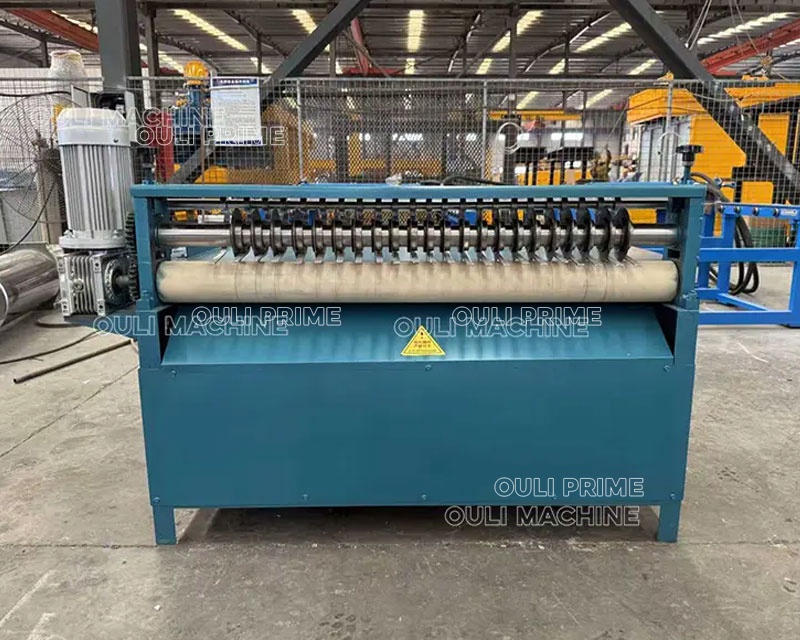
As a technical engineer specializing in rubber processing machinery, I frequently encounter manufacturers struggling with the bottlenecks in their finishing lines. Specifically, the transition from bulk rubber sheets to precise strips is often where efficiency is lost. If you are a procurement manager or a factory owner looking to upgrade your rubber slitting machine capabilities, you need to look beyond basic specifications and understand the mechanical dynamics that ensure precision and longevity.
In this article, I will break down the engineering considerations for an automatic rubber sheet-to-strip slitting cutter, focusing on tension control, blade dynamics, and operational stability.
The Core Challenge: Material Deformation and Tension
Rubber is a viscoelastic material. Unlike steel or rigid plastics, it stretches and recovers. The primary engineering challenge in slitting rubber sheets is managing this elasticity. If the feeding tension is too high, the rubber stretches during the cut and shrinks afterward, leading to width inaccuracies. If the tension is too low, the material wrinkles, causing jagged edges.
A robust automatic rubber slitting machine must address this through a sophisticated feeding system.
Key Engineering Features to Evaluate:
- Feed Rollers: Look for machines that utilize high-friction, yet non-marking rollers. The surface treatment of these rollers is critical to grip the rubber sheet without causing surface deformation.
- Tension Control: Modern designs often incorporate adjustable tensioning mechanisms. This allows the operator to fine-tune the pull based on the specific hardness (Shore A) of the rubber compound being processed.
Cutting Mechanism: The Circular Shearing Principle
When reviewing technical data sheets, you will often see terms like "circular knife" or "rotary shear." For high-volume rubber strip production, the moving knife principle is generally superior to guillotine-style cutting.
The mechanism typically involves a set of upper and lower circular blades. The precision of the strip width depends entirely on the gap and alignment between these blades.
Why this matters for your production line:
- Continuous Operation: Unlike reciprocating cutters that stop and start, a rotary system allows for a continuous feed, significantly increasing output per hour.
- Edge Quality: A properly aligned shearing action produces a clean cut with minimal burrs or "feathering," which is common in dull or misaligned blade setups.
- Adjustability: The distance between the blades determines the strip width. Advanced machines allow for quick adjustments to accommodate different width requirements without extensive downtime for mechanical reconfiguration.
Structural Integrity and Vibration Damping
From an installation perspective, the weight and frame structure of the rubber slitting machine are often overlooked. Rubber cutting generates significant vibration, especially at high speeds.
A lightweight frame will resonate with this vibration, leading to "chatter marks" on the cut edge and premature wear on the bearings. A heavy-duty, welded steel frame acts as a damper. When you are inspecting a potential supplier's equipment, check the frame thickness. A rigid structure ensures that the alignment between the feeding rollers and the cutting shafts remains stable over years of operation.
Technical Specifications Checklist for Procurement
To assist you in your evaluation process, I have compiled a checklist of technical parameters you should verify before purchasing. These are based on standard industrial requirements for processing rubber sheets into strips.
Maintenance and Operational Safety
Finally, from an engineering maintenance standpoint, accessibility is key.
- Blade Changes: How easy is it to access the blade shaft? A design that allows for quick blade removal and sharpening will save your maintenance team hours of labor.
- Dust Extraction: Cutting rubber generates particulate. Ensure the machine design accommodates a dust collection port to keep the working environment clean and protect the mechanical guideways from debris accumulation.
- Safety Guards: Interlocks on the cutting chamber are non-negotiable. The machine should not operate if the safety guards are open.
Conclusion
Selecting the right rubber slitting machine is not just about the price tag; it is about the engineering that ensures consistent strip width and edge quality. By focusing on tension control, frame rigidity, and blade metallurgy, you can select a machine that integrates smoothly into your production line and minimizes downtime.
If you are currently assessing equipment for your facility, I recommend requesting a material test with your specific rubber compound to verify the cut quality and dimensional accuracy before making a final decision.
leave your message