Guillotine Cutter for Rubber
Guillotine Cutter for Rubber: A Technical Deep Dive into Modern Hydraulic Cutting Technology
Rubber processing demands precision, durability, and high throughput. As industries from automotive to recycling scale up their production, the guillotine cutter for rubber has emerged as the preferred solution for clean, efficient bale reduction and material preparation. This detailed technical overview explores how modern hydraulic guillotine cutters are transforming rubber manufacturing, examining key specifications, market applications, and the critical factors that drive performance and reliability.
Understanding the Guillotine Cutter for Rubber
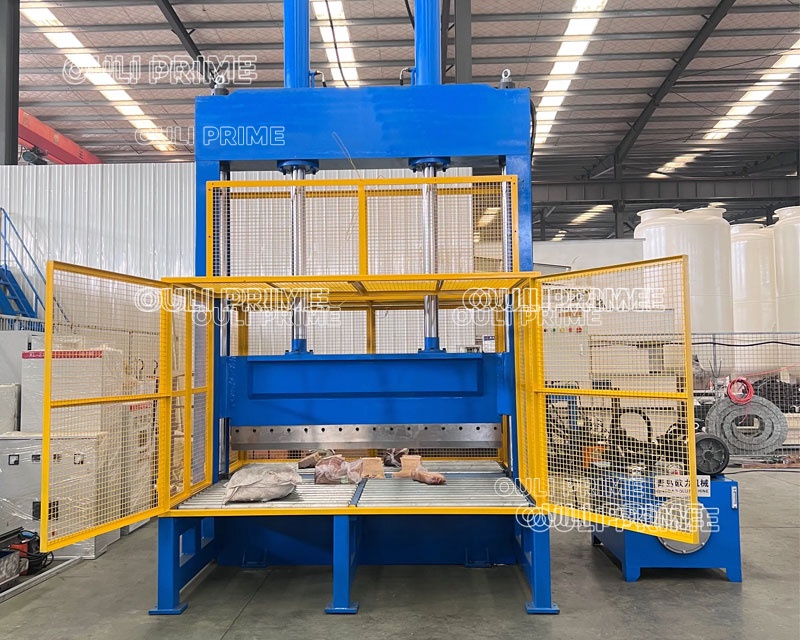
A guillotine cutter for rubber is an industrial cutting machine designed to reduce large rubber bales, sheets, blocks, or profiles into smaller, manageable pieces using a vertically dropping blade powered by a hydraulic system. The fundamental mechanism mimics the motion of a traditional guillotine — a sharp upper blade descends onto a fixed lower blade (stator knife), shearing the material cleanly without tearing or generating excessive heat.
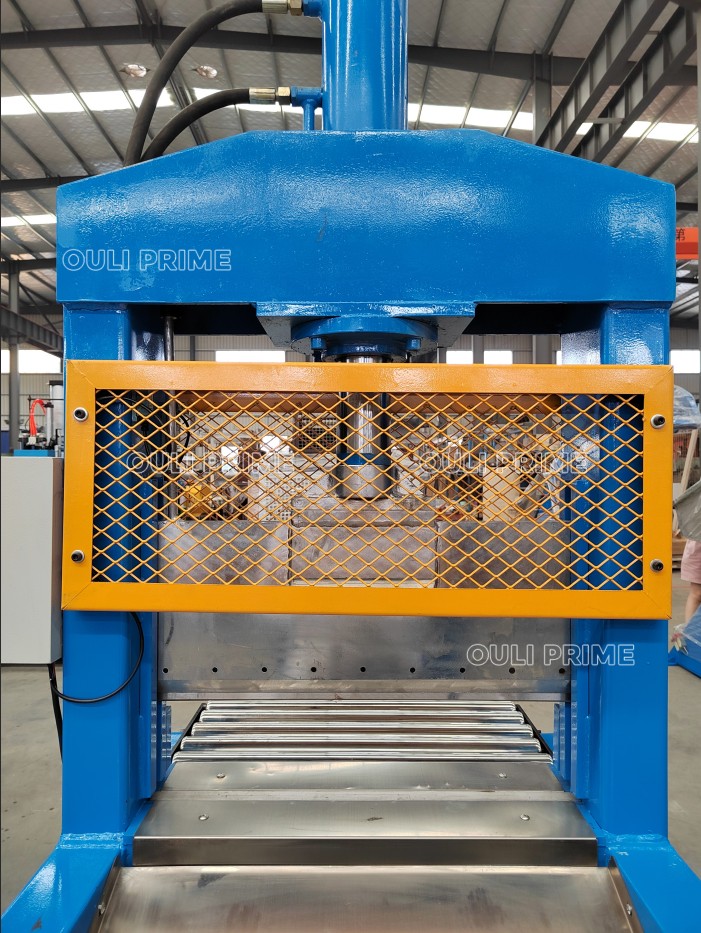
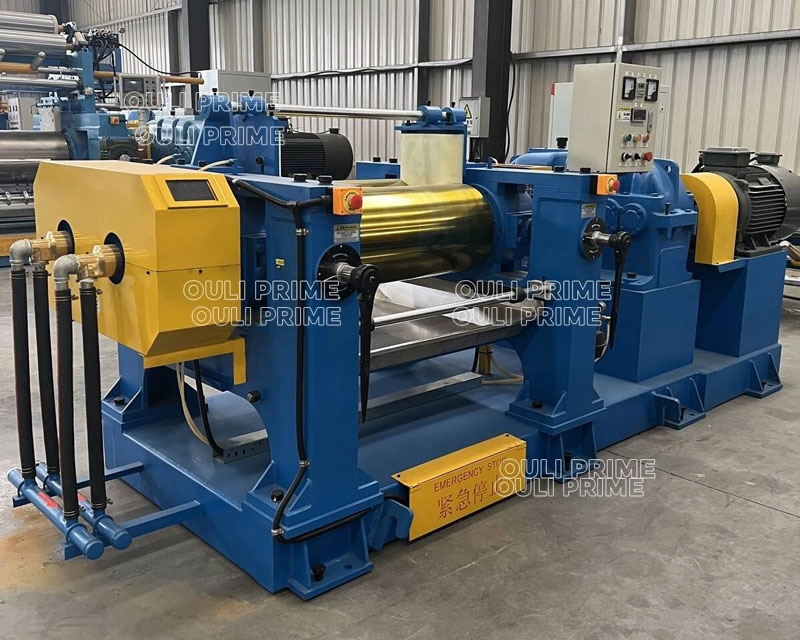
Hydraulic guillotine cutter in operation, demonstrating clean bale cutting for rubber compounding.
The versatility of guillotine cutters allows them to handle various rubber materials, including natural rubber, synthetic rubber (SBR, NBR, EPDM, silicone), reclaimed rubber, rubber compounds, foaming plastics, and even wire and cable materials. The cutting action can be precisely controlled through adjustable parameters such as cutting force (typically ranging from 5 to 100 tons) and blade speed, enabling customization for specific rubber thickness or shape requirements.
Key Technical Specifications of a Rubber Guillotine Cutter
When evaluating a guillotine cutter for rubber, several technical specifications determine its performance and suitability for your application:
Hydraulic System and Cutting Force
The hydraulic system is the heart of the machine. Premium cutters feature high-quality hydraulic components, including vane pumps, magnetic exchange valves, overflow valves, and hydraulic cylinders. Some manufacturers offer double-cylinder configurations that prevent blade tilting and ensure consistent vertical descent. Cutting force ratings vary widely based on application — smaller units may offer 20 tons, while larger industrial systems can exceed 50 tons or more.
Blade Material and Durability
Blade quality directly affects cut quality and machine lifespan. High-end guillotine cutters use blades forged from 9CrSi or T8A tool steel, hardened to HRC60 through heat treatment, or SKD-11 for superior wear resistance. A nylon or lead protection board installed beneath the cutting knife helps preserve the cutting edge during operation.
Blade Width and Cutting Stroke
Blade width determines the maximum material size the machine can process. Common widths range from 600mm to 2000mm, with larger widths suited for high-volume production lines. Piston stroke — typically around 300mm to 680mm — dictates the maximum cutting height.
Safety Features
Modern guillotine cutters for rubber incorporate comprehensive safety systems, including emergency stop buttons, protective guards, interlock switches, and pressure sensors that prevent accidental blade activation. Safety housing on all sides of the cutting blade ensures operator protection without limiting access for servicing.
Market Growth and Industrial Applications
The global guillotine market is experiencing steady growth, driven by increasing demand from the printing, packaging, paper processing, and rubber manufacturing sectors.
Primary applications for rubber guillotine cutters include:
Versatility is a key strength of guillotine cutters — they handle sheet metal, plastic, rubber, textiles, and more, making them applicable across diverse industries. The growing emphasis on industrial automation and efficiency continues to drive adoption of hydraulic guillotine systems in rubber processing facilities worldwide.
Advantages of Hydraulic Guillotine Cutters for Rubber Processing
Hydraulic guillotine cutters offer distinct advantages over alternative cutting technologies like laser cutters or rotary shears:
- Clean Cutting Action: The vertical shearing action produces straight, smooth edges without melting or burr formation
- Heavy-Duty Capability: Hydraulic systems deliver high cutting forces for thick or reinforced rubber composites
- Low Maintenance: Robust construction with fewer wearing parts reduces downtime and maintenance costs
- Energy Efficiency: Modern dual-cylinder systems can reduce energy consumption by 20% compared to single-cylinder designs
- Operator Safety: Enclosed cutting zones and interlock mechanisms provide superior protection
Selecting the Right Guillotine Cutter for Your Rubber Application
Choosing the appropriate guillotine cutter for rubber requires careful evaluation of several factors:
Material Characteristics
Consider the hardness (durometer), thickness, density, and tensile strength of the rubber materials you process. Softer elastomers may require different blade geometries than harder thermoset rubbers.
Production Volume
High-volume operations benefit from larger blade widths (1500-2000mm) and automated control systems that reduce cycle times. Smaller facilities can achieve optimal results with compact models featuring 600-1000mm blades.
Integration Requirements
Many rubber processors position guillotine cutters directly alongside internal mixers to feed cut rubber pieces into the mixing process continuously. Evaluate space constraints and material flow when selecting a model.
Customization Options
Leading manufacturers offer tailored solutions including adjustable cutting force (5-100 tons), blade angle adjustments (0-15°), and variable speed controls (0.1-1.5 m/min) to meet specific application requirements.
The OULI Advantage: Engineering Excellence in Rubber Cutting Technology
Qingdao OULI Machine Co., Ltd. has established itself as a trusted manufacturer of guillotine cutters for rubber, serving customers across the rubber and plastics processing industries. The company's XQL series hydraulic guillotine cutters exemplify high-quality engineering:
- Robust Construction: High-quality welded steel frames with finite element analysis and design for exceptional stability
- Precision Hydraulics: YUKEN brand hydraulic systems guaranteeing reliable operation and consistent performance
- Customizable Configurations: Models available from XQL-660 to XQL-2000 with tailored pressure and blade width options
- Compliance Certifications: CE, ISO9001, and BV certified equipment meeting international safety and quality standards
Optimizing Your Rubber Cutting Process for Maximum Efficiency
To achieve optimal performance from your guillotine cutter for rubber, consider these operational best practices:
- Regular Blade Maintenance: Keep blades sharp and properly aligned. Replace or resharpen cutting edges as soon as cut quality deteriorates.
- Material Preparation: Ensure rubber bales are free from contaminants that could damage the blade. Consistent material feeding improves cutting accuracy.
- Hydraulic Fluid Management: Monitor hydraulic oil levels and quality according to manufacturer recommendations. Contaminated fluid reduces cutting force and damages system components.
- Operator Training: Proper training on safety protocols and machine controls reduces accident risk and improves throughput.
Future Trends in Rubber Cutting Technology
The rubber cutting equipment market continues to evolve with technological innovations:
- Smart Connectivity: IoT-enabled guillotine cutters provide real-time performance monitoring, predictive maintenance alerts, and production data analytics
- Automated Feeding Systems: Integration with conveyor systems and robotic arms enables fully automated cutting workflows
- Energy-Optimized Hydraulics: Variable-speed pump drives and servo-hydraulic systems reduce energy consumption while maintaining cutting force
- Enhanced Safety Systems: Advanced light curtains, two-hand controls, and zone-sensing technologies further protect operators
Why Choose Qingdao OULI Machine?
As an integrated supplier of rubber and plastic machinery, Qingdao OULI Machine Co., Ltd. brings decades of manufacturing expertise to every guillotine cutter for rubber it produces. Located in the Wangjialou Industrial Zone of Qingdao's Huangdao District — a major industrial hub in Shandong Province — the company maintains rigorous quality control and continuous innovation in machine design. OULI's customer-centric approach provides:
- Technical consultation for application-specific customization
- Comprehensive after-sales support and spare parts availability
- International shipping and on-site installation guidance
- Factory-direct pricing without intermediary markups
For rubber processors seeking reliable, high-performance cutting solutions, OULI's hydraulic guillotine cutters represent a sound investment in productivity and quality.
---
Frequently Asked Questions
Q1: What is a guillotine cutter for rubber used for?
A1: A guillotine cutter for rubber is an industrial hydraulic machine that cuts large rubber bales, sheets, blocks, and profiles into smaller pieces for further processing, such as mixing in internal mixers, calendering, or recycling.
Q2: How does a hydraulic guillotine cutter differ from other rubber cutting machines?
A2: Unlike rotary cutters or laser cutters, a hydraulic guillotine cutter uses a vertically dropping blade powered by a hydraulic cylinder to shear rubber cleanly without melting or generating burrs. This design excels at high-force cuts on thick or reinforced rubber materials.
Q3: What types of rubber can be cut with a guillotine cutter?
A3: Guillotine cutters handle natural rubber, synthetic rubber (SBR, NBR, EPDM, silicone), reclaimed rubber, rubber compounds, foaming plastics, and rubber used in wire/cable and auto parts applications.
Q4: What blade materials are used in rubber guillotine cutters?
A4: High-quality cutters use 9CrSi or T8A tool steel hardened to HRC60, or SKD-11 for enhanced wear resistance. A nylon or lead board beneath the cutting knife protects the blade edge during operation.
Q5: What safety features should I look for in a rubber guillotine cutter?
A5: Essential safety features include emergency stop buttons, full-coverage protective guards, interlock switches, pressure sensors to prevent accidental activation, and safety housing around the cutting blade.
Q6: Can guillotine cutters be customized for specific applications?
A6: Yes. Leading manufacturers offer adjustable parameters including cutting force (5-100 tons), blade angle (0-15°), speed (0.1-1.5 m/min), and various blade widths from 600mm to over 2000mm.
Q7: What are the main maintenance requirements for a rubber guillotine cutter?
A7: Routine maintenance includes blade sharpening or replacement, hydraulic fluid monitoring, checking oil seals and cylinders, inspecting limit switches, and cleaning the cutting zone. Compact designs with fewer wearing parts reduce maintenance frequency.
Q8: How do I choose the right size guillotine cutter for my rubber processing needs?
A8: Consider your rubber bale dimensions (width and height), daily production volume, available floor space, and integration requirements with upstream/downstream equipment. OULI offers models from XQL-660 to XQL-2000 for different capacity needs.
Q9: Is a guillotine cutter suitable for rubber recycling applications?
A9: Absolutely. Guillotine cutters are extensively used in rubber recycling to reduce scrap tires, rubber sheets, and industrial waste into manageable pieces for shredding and downstream processing.
Q10: How can I get a quote for a rubber guillotine cutter?
A10: Contact Qingdao OULI Machine directly with your application requirements — including rubber type, bale dimensions, desired output size, and hourly production target — to receive a customized specification and price quote.
---
About the Author: Dr. Klaus Weber is a senior rubber processing engineer with over 18 years of experience in hydraulic cutting equipment design and rubber compounding technology. He currently serves as Technical Director at Qingdao OULI Machine Co., Ltd., where he leads research and development initiatives for next-generation rubber processing machinery.

leave your message