Rubber Injection Molding Machine Manufacturers: A Comprehensive Guide to Selecting the Right Partner for Your Production Needs
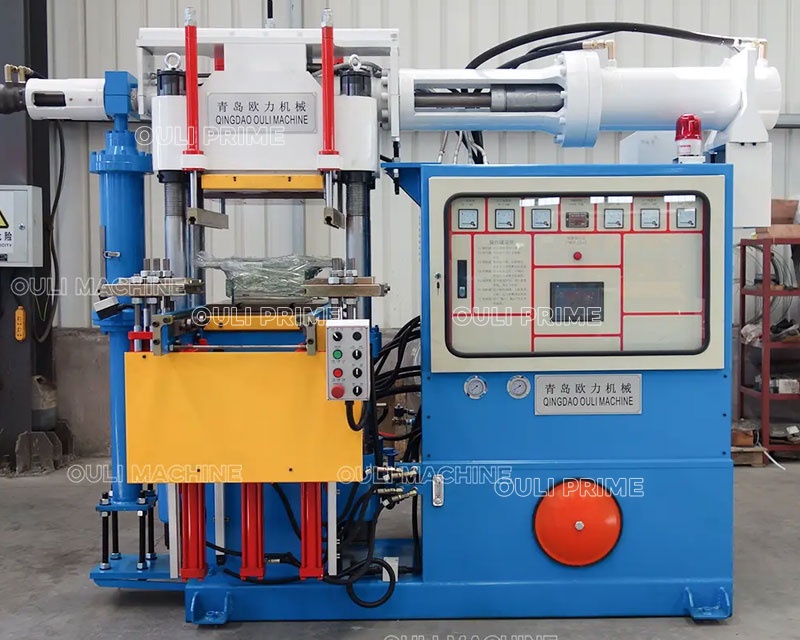
The global rubber goods industry continues to experience robust growth, driven by increasing demand from the automotive, aerospace, medical, and consumer goods sectors. At the heart of this manufacturing ecosystem lies a critical piece of equipment: the rubber injection molding machine. For procurement managers, plant engineers, and business owners, the search for reliable rubber injection molding machine manufacturers is a strategic decision with long-lasting implications for productivity, product quality, and profitability.
Navigating the landscape of manufacturers can be challenging, with a vast array of technologies, specifications, and capabilities to consider. This article, authored by the technical team at Qingdao OULI Machine, aims to serve as a comprehensive guide to help you understand the key differentiators among manufacturers, evaluate their technologies, and ultimately select a partner that aligns with your operational goals.
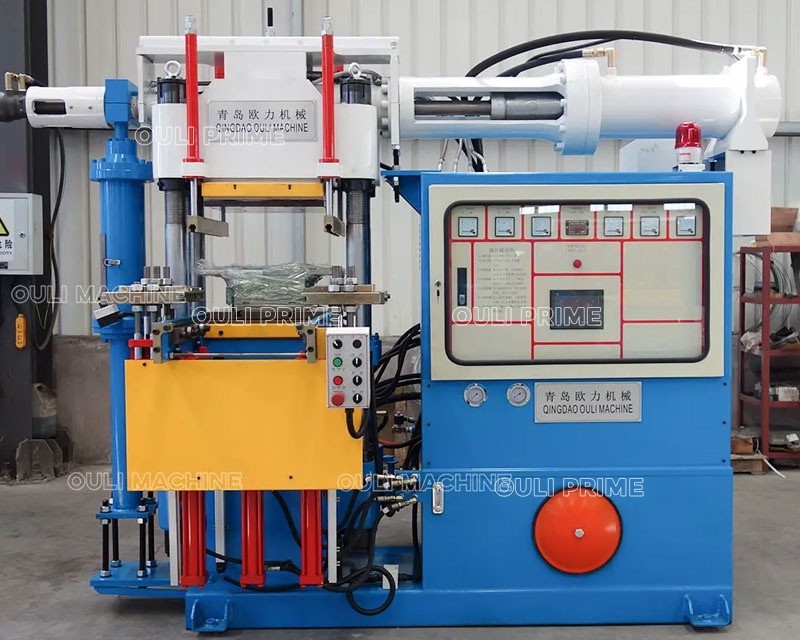
Understanding the Core Technology: What Defines a Modern Rubber Injection Molding Machine?
Before delving into the selection process, it's crucial to understand the core systems that constitute a high-performance rubber injection molding machine. These are not merely simple presses; they are complex, precision-engineered systems designed to handle the unique challenges of rubber processing.
1. The Injection Unit: Precision and Control
The injection unit is responsible for plasticizing the rubber compound and injecting it into the mold under high pressure. Advanced manufacturers focus on several key aspects here:
- Screw and Barrel Design: The screw's geometry (L/D ratio, compression ratio) is tailored to specific rubber compounds to minimize shear heat generation and ensure consistent material homogeneity.
- Injection Pressure and Speed Control: Precision is paramount. Machines with closed-loop control systems can deliver accurate shot sizes, directly impacting part weight consistency and flash reduction.
- Nozzle and Shut-off Systems: A leak-free, positive shut-off nozzle is essential to prevent drooling and ensure clean, efficient cycling.
2. The Clamping Unit: Rigidity and Speed
The clamping unit secures the mold halves during injection and curing. Different designs exist, each with distinct advantages:
- Toggle Clamping: Offers fast cycle times but requires precise setup and is sensitive to mold thickness variations.
- Hydraulic Clamping: Provides excellent mold protection, easier setup, and maintains full clamping force regardless of mold temperature fluctuations. This design is often preferred for complex or multi-cavity molds.
- Hybrid Designs: Combine the speed of toggles with the precision of hydraulics, offering a balanced solution for high-volume production.
3. Temperature Control Unit: The Key to Cure Uniformity
Rubber curing is a heat-activated chemical process. Maintaining precise and uniform mold temperature is non-negotiable for producing defect-free parts. Modern machines feature:
- Multi-zone Temperature Control: Independent control of the mold’s fixed and moving platens, and sometimes nozzle, to compensate for heat loss and ensure uniform cure across the part.
- High-Efficiency Heating Systems: Using advanced heater band designs or oil/water circulation systems for fast heat-up and recovery times.
4. Control System: The Machine's Brain
The control system is the interface through which operators set parameters and the machine executes them. Modern systems, like the ones found on Qingdao OULI Machine equipment, feature:
- User-Friendly HMI (Human-Machine Interface): Intuitive touch-screen controls with recipe storage for quick changeovers.
- Data Acquisition and Connectivity: Capabilities for IIoT (Industrial Internet of Things) integration, allowing for real-time production monitoring, OEE (Overall Equipment Effectiveness) tracking, and predictive maintenance.
- Advanced Process Control: Algorithms that automatically adjust injection parameters based on real-time feedback from sensors within the mold and machine.
Key Differentiators Among Rubber Injection Molding Machine Manufacturers
When evaluating potential suppliers, looking beyond the brochure specifications is essential. Here are the critical differentiators that separate a good manufacturer from a truly excellent partner.
1. Customization Capabilities
No two rubber molding operations are exactly alike. A reputable manufacturer will not just sell you a "standard" machine but will work with you to understand your specific requirements:
- Material Type: Is the machine optimized for HNBR, FKM, EPDM, or silicone? Each requires different screw designs and temperature profiles.
- Mold Configuration: Can the manufacturer accommodate your existing mold's clamping stroke, platen size, and ejector system?
- Automation Integration: Are they capable of integrating the machine with downstream automation equipment like pick-and-place robots, conveyors, or inspection systems?
Qingdao OULI Machine, for example, specializes in providing tailored solutions. Our engineering team works closely with clients to ensure the final machine configuration perfectly matches their production environment, material specifications, and throughput requirements.
2. Engineering Expertise and After-Sales Support
A manufacturer's true value is often revealed after the machine is delivered. Key considerations include:
- Installation and Commissioning: Does the manufacturer offer on-site or remote support for installation and initial setup?
- Training: Is comprehensive operator and maintenance training provided?
- Spare Parts Availability: How quickly can they deliver critical spare parts? Are they strategically located to minimize downtime?
- Technical Hotline: Is there a dedicated technical support team available for troubleshooting?
3. Quality Assurance and Certifications
A commitment to quality is demonstrated through certifications and manufacturing processes. Look for manufacturers with:
- ISO 9001 Certification: This is a foundational indicator of a robust Quality Management System.
- CE Certification: Essential if you plan to operate the machine in the European market. It signifies compliance with EU safety, health, and environmental protection requirements.
- Rigorous Testing Protocols: Inquire about the manufacturer's testing procedures. Do they perform "dry cycles" and "mold trials" before shipping? At Qingdao OULI Machine, every machine undergoes comprehensive testing at our facility to guarantee performance and reliability before delivery.
4. Focus on Energy Efficiency and Sustainability
With rising energy costs and increasing environmental regulations, the efficiency of your equipment has a direct impact on operational costs and sustainability goals. Innovative manufacturers are incorporating:
- Servo-Electric Drives: These systems deliver significant energy savings compared to traditional hydraulic systems, with recent models seeing energy consumption reductions of up to 60%.
- Energy Recovery Systems: Hydraulic machines can be equipped with regenerative circuits that capture and reuse energy during the clamping cycle.
- Efficient Thermal Management: Optimized designs for mold heating and cooling that minimize energy loss and reduce water consumption.
The Evolution of Rubber Injection Molding: Future-Proofing Your Investment
The rubber injection molding industry is not static. Staying ahead requires understanding the emerging trends shaping the future of the industry and what you should expect from forward-thinking rubber injection molding machine manufacturers.
1. Automation and Industry 4.0
Automation is no longer a luxury; it's becoming a necessity to compete. Modern machines are being designed as the cornerstone of a fully automated "lights-out" factory:
- Robotic Integration: Seamless interfacing with 6-axis robots for part removal, insert loading, and gate cutting.
- Process Monitoring: Advanced sensors and cameras for in-line inspection of critical part dimensions, creating a closed-loop quality control system.
- Remote Diagnostics: The ability for your manufacturer's service team to access the machine's control system (with your permission) for real-time troubleshooting, reducing costly on-site visits.
2. Advanced Material Processing
The push for high-performance, lightweight, and sustainable materials is driving innovation in machine design. This includes:
- Liquid Silicone Rubber (LSR) Injection: Handling low-viscosity, fast-curing LSR requires specialized injection systems with precise metering and temperature control.
- Low-Friction, High-Performance Seals: Machines are being designed to handle materials with high filler content (e.g., carbon black, glass fibers) that are highly abrasive, using improved materials for screws and barrels.
- Recycled Materials: As the industry moves towards a circular economy, manufacturers are developing equipment and screws optimized for processing recycled rubber compounds.
How to Choose the Right Rubber Injection Molding Machine Manufacturer
Selecting a manufacturer is a strategic partnership. Consider this structured evaluation process:
Step 1: Define Your Needs
- Part Complexity & Material: What is the part geometry, and which rubber compound is required?
- Production Volume: What is the target annual or monthly throughput?
- Existing Tooling: Will the machine be used with existing molds or new ones?
- Budget: What is the investment budget, including costs for installation, training, and spare parts?
Step 2: Shortlist and Deep-Dive
- Request Technical Proposals: Provide potential manufacturers with a clear RFQ (Request for Quotation) including your part specifications, material, and desired cycle times.
- Conduct Factory Audits (Virtual or On-Site): This is the best way to assess manufacturing quality, engineering capabilities, and the manufacturer's culture.
- Request a Factory Acceptance Test (FAT): Witnessing your machine run your molds using your material before shipment is the ultimate proof of performance. This is a standard practice at Qingdao OULI Machine.
Step 3: Evaluate the Relationship
- Communication: Is the manufacturer responsive and transparent?
- Long-Term Support: Can you envision a long-term partnership built on mutual success?
- References: Speak to existing customers about their experience with the machine, support, and overall satisfaction.
Conclusion
The search for the right rubber injection molding machine manufacturers is a journey that goes far beyond comparing price lists. It's about finding a partner with deep technical expertise, a commitment to quality, a forward-looking approach to innovation, and a dedication to your long-term success.
Manufacturers like Qingdao OULI Machine, with a focus on understanding unique customer challenges and delivering engineered solutions, represent the type of partner that can provide a significant competitive advantage. By focusing on the core differentiators—engineering expertise, customization, after-sales support, and a future-proof technology—you can make an informed decision that will enhance your productivity, reduce your costs, and elevate the quality of your products for years to come.
---
Frequently Asked Questions (FAQ)
Q1: What is the difference between a rubber injection molding machine and a standard plastic injection molding machine?
A1: While the basic principles are similar, rubber injection molding machines are specifically designed to handle rubber compounds. The key differences are in the screw and barrel design (to process high-viscosity, heat-sensitive materials), the clamping system (which must maintain high force for longer periods during the curing cycle), and the critical importance of precise temperature control for the vulcanization process. Plastic machines typically do not have these specialized features and cannot process rubber effectively.
Q2: How do I choose the right tonnage (clamping force) for my project?
A2: Choosing the right clamping force depends on several factors: the projected area of the part and runner system, and the injection pressure. A common industry rule is that the clamping force should be 3 to 5 tons per square inch of projected area. It's always recommended to consult with your manufacturer's engineering team, who can perform the necessary calculations for your specific mold to ensure optimal clamping.
Q3: What maintenance is crucial for a rubber injection molding machine to ensure its longevity?
A3: Regular, planned maintenance is essential. Key areas include:
- Daily: Check and clean the platens, ensure the injection barrel is clean, inspect hydraulic oil levels and temperatures.
- Weekly: Lubricate all moving parts, check for oil or water leaks, inspect all safety guards and switches.
- Monthly: Clean or replace air filters, inspect hydraulic hoses, check the integrity of heater bands.
- Annually: Conduct a comprehensive check by qualified technicians, including hydraulic oil filtration, calibration checks, and screw/barrel wear inspections.
Q4: Can a rubber injection molding machine be used for multiple rubber materials?
A4: Yes, but with a crucial caveat. The machine can process many different rubber compounds as long as the injection unit is compatible. Switching between very different materials, especially if one is highly abrasive or requires a specific temperature profile, may require a change in the screw and barrel design, or a thorough cleaning process. Many manufacturers, including Qingdao OULI Machine, offer quick-change barrel systems to facilitate faster material changeovers.
Q5: How can I make my rubber injection molding process more energy efficient?
A5: There are several effective strategies: the most impactful is investing in a machine with a servo-hydraulic or all-electric drive, which can reduce energy consumption by up to 60%. Additionally, ensuring your mold heating and cooling systems are well insulated and using variable-speed pumps for the oil circulation system helps. Regular maintenance to keep the machine in top condition also prevents energy loss through inefficiency. A technical consultation with your manufacturer can identify the best energy-saving solutions for your specific process.
Q6: What is the typical lead time for ordering a custom rubber injection molding machine?
A6: Lead times vary significantly based on the machine's complexity, customizations, and the manufacturer's production schedule. For a standard machine, it may range from 8 to 16 weeks. However, for highly customized machines with extensive engineering work, lead times can be longer. It is always best to discuss your project timeline with the manufacturer early in the selection process. At Qingdao OULI Machine, we strive to provide transparent and realistic delivery schedules for all our projects.

leave your message