Hot Vulcanizing Press: The Industrial Workhorse for Modern Rubber Manufacturing
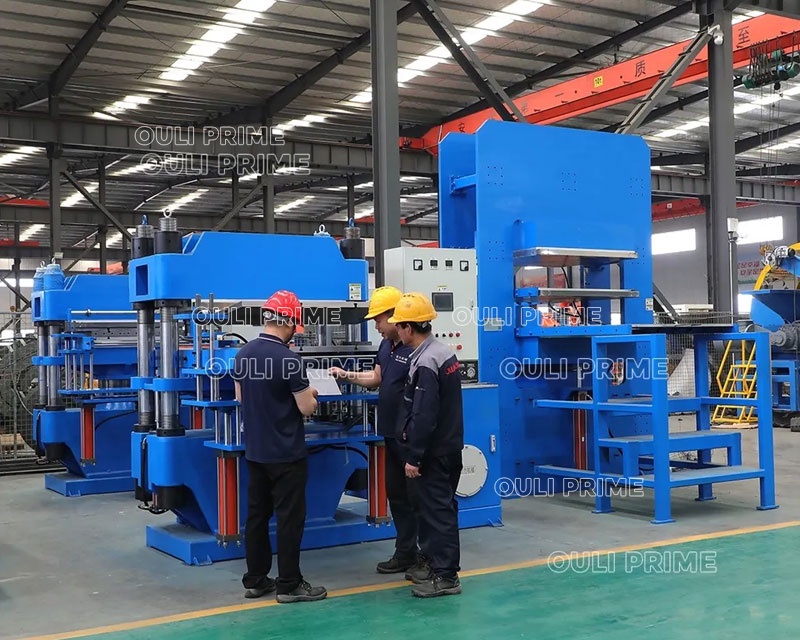
Qingdao, China – In the demanding world of industrial rubber processing, efficiency, precision, and durability are not just goals; they are necessities. As a leading manufacturer in this space, Qingdao OULI Machine is proud to highlight the critical role of the hot vulcanizing press in modern production lines. This press is the cornerstone technology for transforming raw rubber compounds into high-strength, durable components used across the automotive, construction, and consumer goods sectors.
What is a Hot Vulcanizing Press?
A hot vulcanizing press, also known as a compression molding press, is a hydraulic machine that applies both heat and pressure to cure rubber or plastic materials within a mold. The process, known as vulcanization, cross-links the polymer chains, resulting in a material that is stronger, more elastic, and more resistant to heat and chemicals than its raw state.
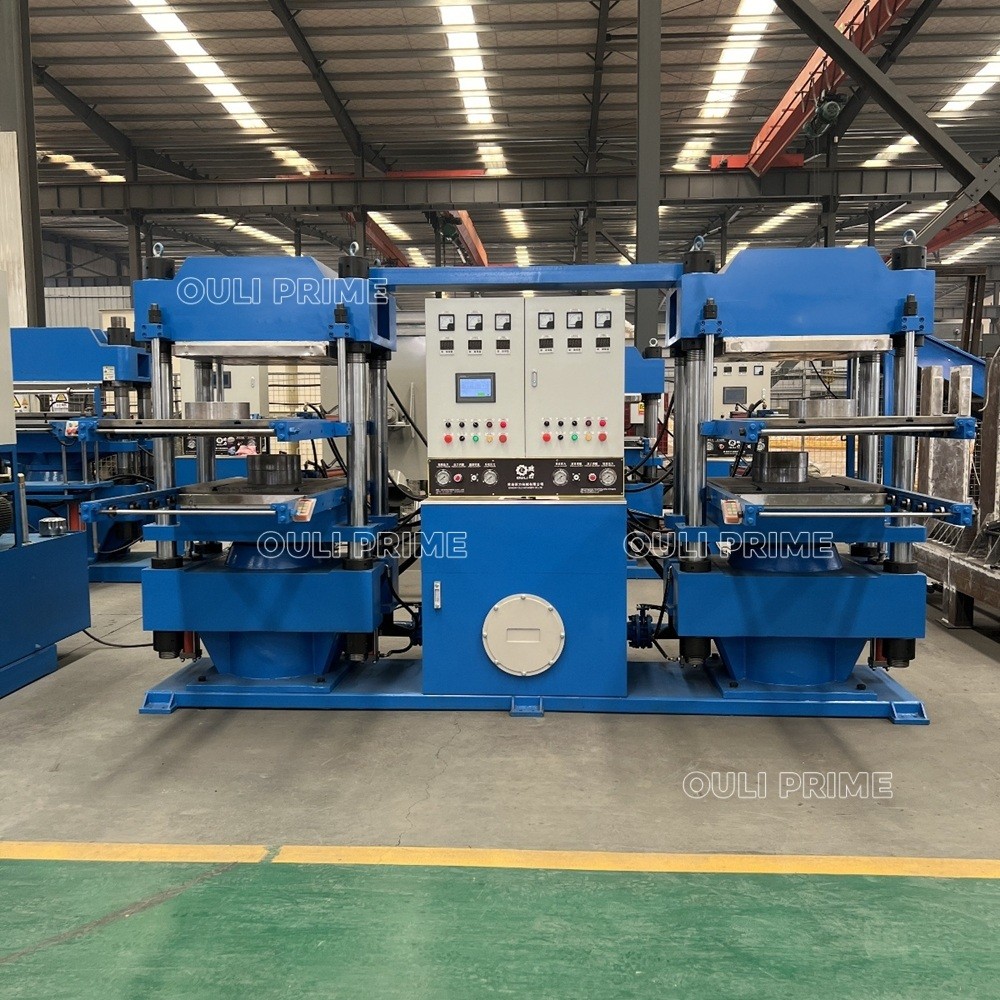
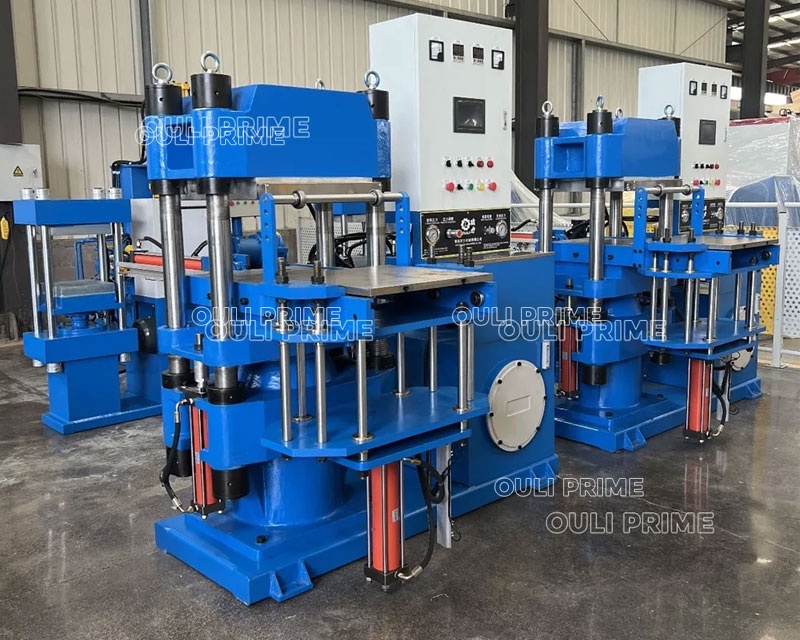
The column-type rubber vulcanizing press has become the industry standard for its robust design and operational flexibility. Featuring a four-column structure, this machine uses a hydraulic system and a PLC (Programmable Logic Controller) to deliver precise, repeatable, and safe manufacturing cycles. This makes it ideal for a wide array of products, from simple gaskets and seals to complex automotive parts, as well as for processing thermosetting plastics, foams, resins, and building materials.
The Strategic Advantage of Advanced Press Design
Modern manufacturing demands machinery that is both intelligent and reliable. A key differentiator in the market is the integration of advanced control and hydraulic systems. The latest generation of hot vulcanizing presses, like those engineered by Qingdao OULI Machine, features:
Superior Control with PLC Technology: The use of a PLC enables a fully automated process. Operators can program cycles that include automatic up/down movements, exhaust, pressure control, pre-heating, constant temperature maintenance, and timing with alarms. This level of automation reduces human error and ensures consistent product quality.
High-Performance Hydraulics: By incorporating components from industry leaders like Japan's YUKEN, the hydraulic system is designed for long life, reliability, and minimal power loss. This ensures stable pressure throughout the curing cycle, which is critical for part integrity.
Enhanced Precision: The machine's robust frame, manufactured from high-quality materials and designed using SOLIDWORKS 3D simulation, ensures minimal deflection under high pressure. This is complemented by precision-ground heating plates with a parallelism tolerance as low as 0.05mm, guaranteeing uniform pressure and heat distribution for flawless results.
Maximizing Durability and ROI
For businesses, the total cost of ownership is a primary concern. A well-built hot vulcanizing press is an investment that pays dividends through longevity and minimal downtime. Key features that contribute to this durability include:
Hardened and Wear-Resistant Components: The cylinder plungers are made from chilled alloy cast iron with a hardened layer depth of 15-20mm and a high hardness rating of HRC 60-70 degrees. This dramatically extends the service life of the moving parts.
Optimized Frame Structure: The use of high-tensile Q235A carbon steel and QT-500 ductile iron for the frame, combined with stress-relieving annealing, provides a safety factor exceeding 2.5, ensuring the machine can withstand years of continuous, heavy-duty operation.
Reliable Sealing System: Innovative four-stage sealing technology prevents oil leaks and pressure drops, maintaining system efficiency and reducing maintenance costs.
Why Qingdao OULI Machine is a Trusted Partner
In an industry where technical support is as important as the machine itself, Qingdao OULI Machine distinguishes itself with a comprehensive service approach. From pre-sales consulting on factory layout and process engineering to after-sales installation and worker training, OULI provides end-to-end support. With a rigorous quality control process that includes over 72 hours of automatic running before shipment and a 12-month warranty, they ensure their clients can start production with confidence. Their expertise is a testament to the deep engineering and manufacturing capabilities found in the Qingdao industrial hub.
The hot vulcanizing press is more than a machine; it is the engine of productivity for countless industries. By investing in advanced, durable, and intelligently controlled equipment, manufacturers can achieve higher quality, greater efficiency, and a stronger competitive edge.
FAQ: Understanding the Hot Vulcanizing Press
Q1: What is the primary function of a hot vulcanizing press?
A: Its primary function is to apply controlled heat and hydraulic pressure to cure or vulcanize rubber and plastic compounds inside a mold. This chemical process cross-links the polymers, creating a finished product that is strong, durable, and has improved mechanical properties.
Q2: What industries commonly use hot vulcanizing presses?
A: They are widely used in numerous industries, including automotive (for seals, hoses, and gaskets), construction (for bridge bearings and flooring), consumer goods (for footwear and soles), and electronics (for insulation materials). They are also used for molding thermoset plastics, foams, and Bakelite.
Q3: How does the PLC control system improve the vulcanization process?
A: A PLC (Programmable Logic Controller) automates the entire cycle, controlling platen movement, pressure, temperature, and timing with high precision. This reduces the need for manual intervention, minimizes errors, ensures consistent product quality, and improves safety with features like automatic exhaust and alarm systems.
Q4: What are the key differences between a column-type and a frame-type vulcanizing press?
A: A column-type press uses four guiding columns to align the platens, offering excellent stability and accessibility for mold changes. A frame-type press typically uses a solid steel structure (like an H-frame) for its main body, often providing greater rigidity and being suitable for very large or wide applications. The choice depends on the specific production requirements.
Q5: What should a buyer look for to ensure the longevity of a hot vulcanizing press?
A: Key factors to check are the quality of the hydraulic components (like pumps and valves), the hardness and material of the cylinder plunger, the precision of the heating plates, and the robustness of the sealing system. The after-sales support and warranty offered by the manufacturer, such as the 12-month warranty and spare parts kits provided by Qingdao OULI Machine, are also crucial.
Q6: Can you customize a hot vulcanizing press for specific products?
A: Yes, many manufacturers, including Qingdao OULI Machine, offer extensive customization. This can include modifying platen size, adding T-slots for easy mold mounting, adjusting the heating system (electric, steam, or oil), and tailoring the control system to meet specific process requirements like a defined number of exhausts or a unique pressure profile.

leave your message